
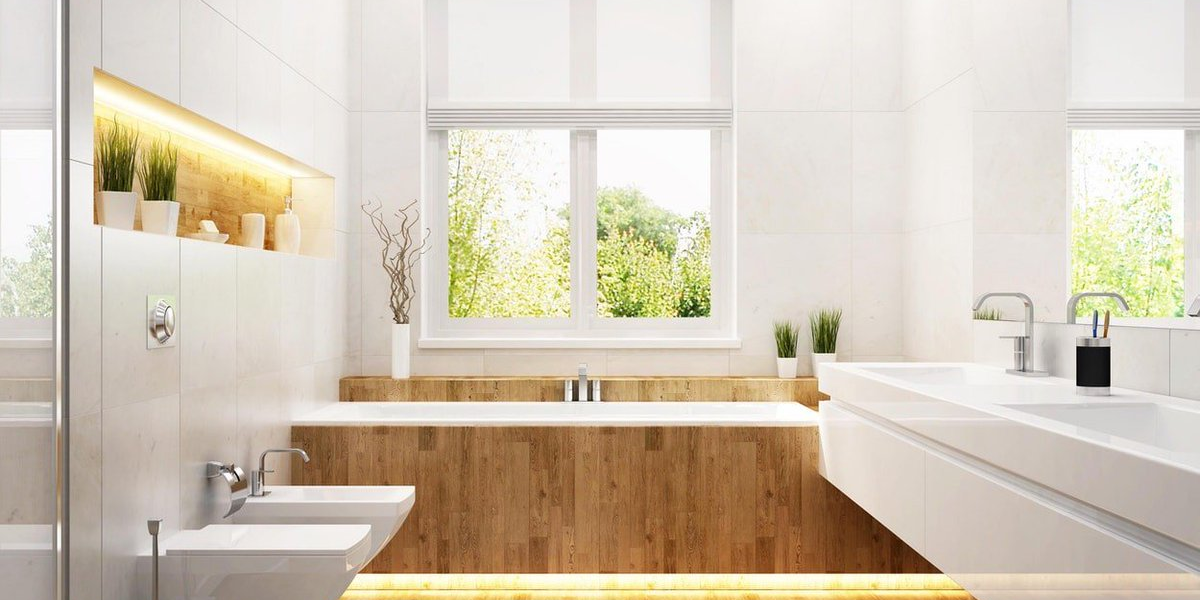
Undertaking a bathroom remodeling near me in St. Charles project is a fantastic chance to revitalize one of your home’s key spaces. Lighting is crucial in determining both the functionality and the mood of your bathroom. Well-chosen and aptly placed lighting can enhance daily routines, foster a calming atmosphere, and showcase your bathroom’s design elements. In this article, we’ll share essential advice on balancing practical needs with aesthetic appeal in your bathroom lighting, ensuring your renovation is both efficient and visually stunning.
1. Recognize the Various Types of Bathroom Lighting
Creating a well-lit and cohesive bathroom involves integrating different lighting styles:
a. Ambient Lighting
Ambient lighting offers general illumination for the entire bathroom, ensuring the space is uniformly lit and suitable for all tasks.
- Options: Ceiling-mounted fixtures, recessed lighting, or a central chandelier.
- Suggestions: Choose fixtures that disperse light evenly. Recessed lighting is a modern option that reduces shadows and visual clutter.
b. Task Lighting
Task lighting is essential for specific activities like shaving, applying makeup, or brushing teeth, requiring bright, shadow-free illumination.
- Options: Vanity lights, sconces, or LED strips around mirrors.
- Suggestions: Position task lights at eye level on either side of the mirror to prevent facial shadows. Ensure the lighting is bright but not harsh.
c. Accent Lighting
Accent lighting adds depth and highlights architectural features or decorative elements, enhancing the overall ambiance.
- Options: LED strip lights under cabinets, wall-mounted fixtures, or decorative lamps.
- Suggestions: Use accent lighting to highlight niches, artwork, or textured walls. Dimmers are ideal for adjusting brightness based on your mood or time of day.
2. Select the Appropriate Fixtures and Bulbs
Choosing the right fixtures and bulbs is vital for achieving both functionality and style.
a. Fixture Styles
- Modern Bathrooms: Opt for sleek, minimalist fixtures with clean lines and metallic finishes like chrome or brushed nickel.
- Traditional Bathrooms: Choose classic fixtures with intricate details and finishes such as oil-rubbed bronze or brass.
- Spa-Inspired Bathrooms: Use soft, warm lighting fixtures to create a tranquil and relaxing environment.
b. Bulb Types and Luminosity
- LED Bulbs: These are energy-efficient and long-lasting, available in various color temperatures to meet different needs.
- Color Temperature:
- Warm White (2700K-3000K): Creates a cozy and inviting feel.
- Cool White (4000K-5000K): Provides bright, clinical light ideal for tasks.
- Daylight (5000K-6500K): Mimics natural light, suitable for makeup application and detailed work.
c. Dimmers and Smart Lighting
Incorporate dimmer switches or smart lighting systems to adjust brightness and color temperatures, allowing you to customize lighting for different activities and desired moods.
3. Position Your Lights Thoughtfully
Proper placement of lighting fixtures ensures optimal functionality and visual appeal.
a. Vanity Area
- Above or Beside the Mirror: Position lights on either side at eye level to eliminate facial shadows.
- Central Fixtures: A single fixture centered above the mirror can also provide sufficient task lighting.
b. Shower and Tub Area
- Recessed Lighting: Install recessed lights in the shower or tub ceiling for bright, shadow-free illumination.
- Waterproof Fixtures: Ensure all fixtures in wet areas are rated for moisture and humidity.
c. General Ceiling Lighting
- Uniform Distribution: Use multiple recessed lights or a central fixture to achieve consistent ambient lighting.
- Minimize Glare: Position ceiling lights to reduce glare, especially near mirrors and reflective surfaces.
d. Accent and Decorative Lighting
- Niches and Shelves: Highlight built-in shelves or niches with LED strips or spotlights.
- Artwork and Architectural Features: Use directional lights to draw attention to specific design elements.
4. Balance Functionality with Visual Appeal
Achieving the right balance between practicality and beauty is essential for effective bathroom lighting.
a. Layer Your Lighting
Combine ambient, task, and accent lighting to create a versatile and dynamic lighting scheme. Layering allows you to adjust lighting based on needs and time of day.
b. Consider the Space’s Size and Layout
- Small Bathrooms: Use lighter fixtures and strategic placement to avoid overwhelming the space. Mirrors with integrated lighting can enhance the sense of space.
- Large Bathrooms: Incorporate multiple lighting sources and statement fixtures to add character and ensure even illumination.
c. Reflect Your Style
Choose lighting fixtures that complement your bathroom’s overall design theme. Whether you prefer modern minimalism, rustic charm, or luxurious elegance, the right lighting can reinforce your aesthetic vision.
5. Focus on Energy Efficiency and Durability
Energy-efficient lighting reduces electricity bills and minimizes the need for frequent bulb replacements.
- LED Technology: Opt for LED bulbs and fixtures as they consume less power and last longer compared to traditional incandescent or halogen bulbs.
- Smart Controls: Implement smart lighting systems that allow for automated schedules and remote control, enhancing both convenience and efficiency.
Lighting is a fundamental element of any bathroom remodeling project, impacting both the functionality and the ambiance of the space. By understanding different lighting types, selecting suitable fixtures and bulbs, strategically positioning your lights, and balancing practicality with aesthetics, you can create a bathroom that is both beautiful and highly functional. Prioritize energy efficiency and align with your personal style to ensure your remodeled bathroom meets all your needs and preferences. With thoughtful lighting design, your bathroom will become a sanctuary of light, comfort, and elegance.
