Closing Out a Project? Do Not Forget the Hazardous Waste
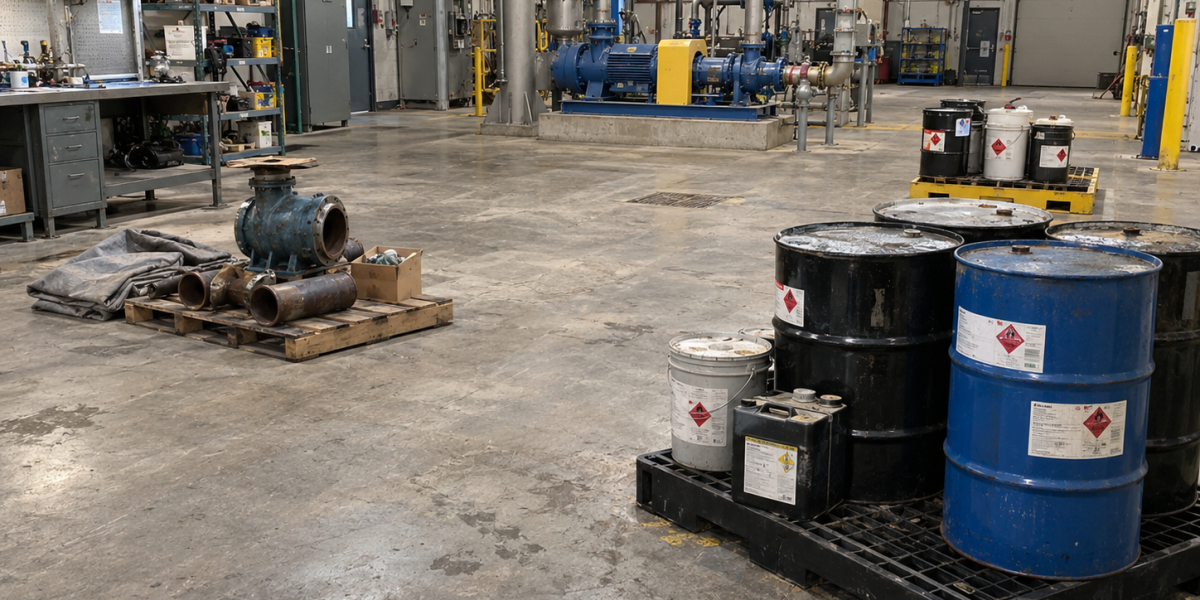
A project can look finished long before the waste is actually dealt with. Once the crews leave, equipment is packed away, and the final work is signed off, it is easy to overlook the containers, leftover chemicals, contaminated materials, and other waste still sitting in a storage area. Yet those materials are still part of the project closeout and need to be handled properly.
This is especially important when a project has generated several different types of hazardous waste. Taking time to identify what remains, separate waste streams, review storage conditions, and arrange appropriate disposal before the site is handed over can prevent a rushed cleanup later.
Start the Closeout With a Waste Inventory
Before moving anything, walk through the project area and identify what has been left behind. Look beyond obvious waste containers and check maintenance areas, temporary storage spaces, mechanical rooms, equipment areas, and other places where materials may have accumulated during the work.
Some materials may still be usable products rather than waste. Others may have become waste because they are contaminated, damaged, expired, or no longer needed. Making that distinction is an important first step.
A completed painting or coating project, for example, may leave behind partially used products, solvents, contaminated supplies, and other materials. If those materials are no longer usable and require disposal, Paint Waste Disposal Tampa may become part of the project’s final cleanup rather than something that can simply be left for the facility to address later.
The same approach should be used for every waste stream. Identify what is actually present before deciding how it should be handled.
Keep Different Waste Streams Separate
One of the biggest mistakes during a project closeout is assuming that everything left over can go into the same container.
Waste generated by the same project can have very different characteristics. Chemicals, contaminated materials, liquids, equipment, and ordinary construction debris should not automatically be combined simply because they were generated at the same location.
Employees should know what each container contains before materials are moved or consolidated. If the contents are unknown, the material should be identified before anyone assumes it belongs with another waste stream.
This becomes particularly important when several contractors or departments have contributed waste to the same project. A maintenance crew may have generated one type of hazardous material while another team produced something completely different. Keeping those streams organized during the project makes the final cleanup much easier.
Do Not Forget Materials That Were Not Part of the Main Work
Project teams naturally focus on materials directly connected to their scope of work. That can make other waste easy to overlook.
For example, a facility may discover pharmaceutical materials while closing out a project involving equipment upgrades, maintenance, or renovations. Those materials may have nothing to do with the construction work itself, but they still need to be identified and managed appropriately.
In a situation where a facility has accumulated pharmaceutical waste that is no longer needed, Pharmaceutical Waste Disposal Milwaukee can be one part of the overall waste management process. The important point is to identify the material and its characteristics rather than treating it as miscellaneous waste simply because it was discovered during a general cleanup.
This same principle applies to any unusual or specialized material found during closeout. If employees are not sure what something is or how it should be handled, that uncertainty should be resolved before the material is moved or combined with anything else.
Review Equipment Being Removed From Service
Closing out a project often means more than cleaning up materials. Equipment may also be removed, replaced, or permanently taken out of service.
Before old equipment is sent away, determine what it is and whether it contains materials that require specialized handling. Electrical equipment is a good example because its disposal requirements can depend on its type, condition, contents, and history.
A transformer removed as part of an electrical upgrade should not automatically be treated as ordinary scrap. If the project involves Transformer Disposal Jackson, the equipment should first be properly identified and evaluated so that the appropriate handling and disposal process can be determined.
It is also worth documenting removed equipment while the project team still has access to the relevant records. Once a project is officially closed and employees move on to other work, information about where equipment came from or what it contained can be much harder to reconstruct.
Small Waste Streams Can Still Require Attention
A project cleanup tends to focus on the biggest items first. Large containers, equipment, drums, and piles of debris are obvious. Smaller or less familiar waste streams can easily be overlooked.
That does not mean they should be treated as ordinary waste.
Automotive-related work provides a good example. Airbags and related components may be encountered during vehicle repair, dismantling, manufacturing, or other projects involving vehicles. If those components are removed and are no longer intended for use, Airbag Disposal Jacksonville may need to be considered as part of the project’s closeout.
The quantity may be small, but the material still needs to be identified and handled according to its characteristics and applicable requirements.
Check Containers and Liquids Before Leaving the Site
The condition of waste containers deserves a final review before a project area is handed back to the owner or facility operator.
Look for damaged containers, deteriorated packaging, unreadable labels, corrosion, leaks, or other conditions that could affect safe storage. Make sure materials remain properly contained while disposal arrangements are being made.
Liquids deserve particular attention. A project may generate cleaning chemicals, process liquids, solvents, or other materials with hazardous characteristics. Corrosive liquids can require especially careful handling because their properties can affect containers and surrounding materials.
If a project has generated waste requiring Corrosive Liquid Disposal Philadelphia, the material should be properly identified and kept in appropriate containment while the disposal process is arranged. It should not be poured into another container simply to make the cleanup look more organized without first confirming that the containers and materials are compatible.
Pay Attention to Specialized Waste
Some projects involve materials that require more than one type of regulatory consideration. These should be identified before the closeout process is considered complete.
Waste with both hazardous and radioactive characteristics is one example. When a facility is dealing with Hazardous and Radioactive Waste Disposal Newark, the chemical characteristics of the material and its radioactive component both need to be considered when determining the appropriate handling pathway.
This is exactly why specialized waste should be identified before the final cleanup. A container that is left behind without adequate information can become much more difficult to manage once the original project team is gone.
If employees encounter material with unusual characteristics, they should not improvise a disposal method simply because the project deadline is approaching. The material should be evaluated first.
Avoid the Last-Day Cleanup Rush
One of the most common project closeout mistakes is waiting until the final day to figure out what will happen to the waste.
By that point, contractors may be leaving the site, temporary storage areas may need to be cleared immediately, and there may be little time to investigate unidentified materials. That creates unnecessary pressure and can lead to poor decisions.
A better approach is to begin reviewing waste while the project is still active. As materials become unnecessary, identify them and keep them separated from materials that are still being used.
This gives the project team time to address questions about unusual waste streams, damaged containers, old equipment, or materials that require specialized handling.
Make Waste Part of the Project Closeout Checklist
Hazardous waste should be treated as one of the final project deliverables rather than an afterthought.
Before closing the project, confirm that waste streams have been identified, containers are appropriately managed, labels and documentation are in order, and materials requiring disposal have been accounted for. Review areas where waste may have been temporarily stored throughout the project, including spaces that are not part of the main work area.
It is also worth recording what was generated and how it was handled. Good closeout documentation gives the facility a clearer record and can make future projects easier to manage.
The goal is not simply to leave behind a clean-looking work area. The goal is to make sure that hazardous materials have been identified and handled appropriately before responsibility for the site shifts back to the owner or facility team.
A Finished Project Should Not Leave Waste Behind
Project closeout is the natural time to deal with hazardous waste because the work that generated it is coming to an end. Waiting until months later can make it harder to identify materials, locate records, and understand why a particular waste stream was generated.
Start the process while the project team still knows what is on site. Review leftover materials, separate waste streams, inspect containers, identify specialized waste, and address old equipment before the final handoff.
If hazardous waste remains after your project is complete, a qualified hazardous waste management provider can help determine what information is needed and how the materials should be prepared for disposal. Handling that work as part of the closeout process helps prevent unresolved waste from becoming the next project’s problem.
