
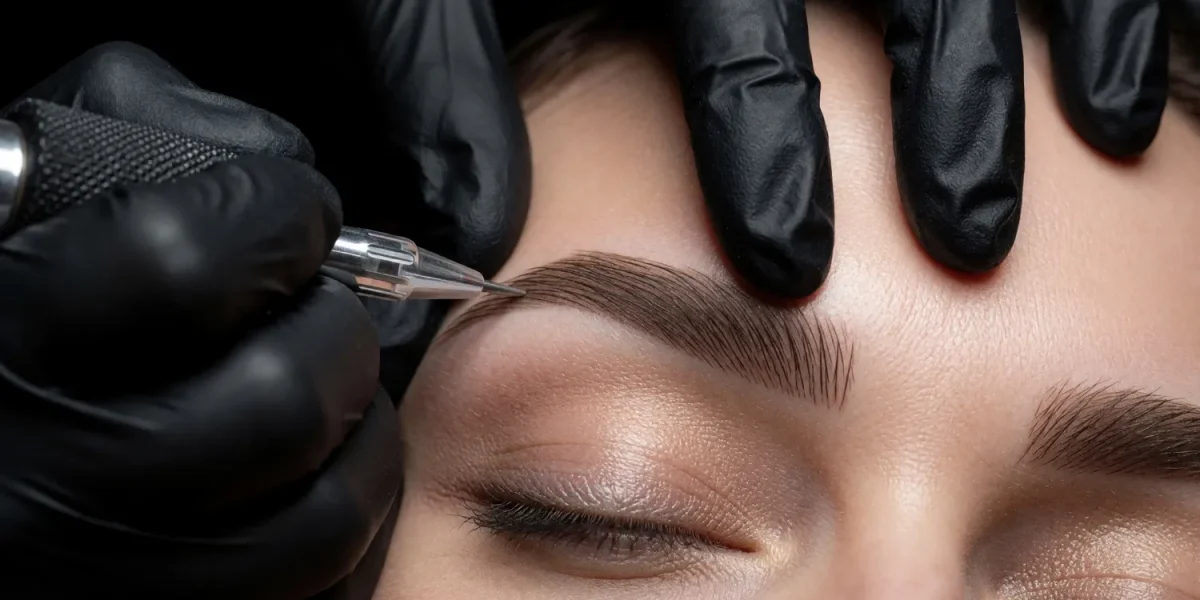
Eyebrow styles have changed considerably over the years. Thin, sharply defined arches were once highly fashionable, while fuller and softer brows have become increasingly popular. For people who naturally have sparse eyebrows or previously removed too much hair, recreating a balanced shape with everyday makeup can be frustrating. Microblading offers another way to enhance the appearance of eyebrow hairs through carefully applied pigment strokes. Before booking microblading eyebrows Chicago services, it is useful to understand the different techniques, healing expectations and factors that influence the final appearance.
Brow mapping helps establish the shape
A well-planned eyebrow design begins before the actual microblading procedure. Artists use brow mapping to identify suitable starting points, arches and tails based on a client’s facial proportions. Traditional measurement techniques use reference points around the nose and eyes, but modern brow design also considers natural asymmetry, bone structure and facial expressions. Personal preferences are equally important because not everyone wants the same eyebrow thickness or arch height. Spending sufficient time on this preparation stage helps create a design that looks balanced and complements the individual’s features.
Natural hair direction influences every stroke
One of the most important aspects of realistic microblading is understanding how eyebrow hairs grow. Hair near the inner brow often grows more vertically, while the middle and outer sections follow different angles. A skilled artist observes these patterns and creates pigment strokes that follow a similar direction. Adjusting stroke length, curvature and spacing makes the result appear more like natural eyebrow hair rather than a series of identical lines. Careful attention to these small details can significantly influence the overall appearance.
Several eyebrow techniques are available
Although microblading is a widely recognized term, it is only one of several cosmetic eyebrow treatments. Traditional microblading creates individual hair-like strokes with a manual tool. Powder or ombré brows use a shading approach to achieve a softer, makeup-inspired finish. Combination brows incorporate both hairstrokes and shading, creating additional fullness while maintaining some natural definition. Nano brows use a cosmetic tattoo machine with a fine needle to create delicate strokes. The most suitable method depends on existing brow hair, skin characteristics and the appearance the client hopes to achieve.
Comfort during the procedure varies
Many clients are concerned about discomfort before their first appointment. Microblading involves creating small openings in the skin, so some sensation should be expected. Artists commonly use topical numbing products when appropriate to make the experience more manageable. Individual sensitivity differs, and factors such as stress, personal pain tolerance and skin condition may influence how the treatment feels. A professional consultation should include an explanation of what to expect and any preparation instructions that need to be followed.
The healing process changes the appearance
Eyebrows usually look darker and more defined immediately after microblading. As the treated skin begins healing, mild flaking can develop and the initial intensity gradually decreases. During the following days, some strokes may appear uneven or unexpectedly light. This temporary change is sometimes described as the ghosting stage. Over the next several weeks, the healed appearance becomes clearer as the skin recovers. Results are generally evaluated after approximately four to six weeks rather than immediately following the appointment.
Proper aftercare protects the new brows
Following the artist’s instructions is an important part of the microblading experience. During the initial healing period, clients are typically advised to avoid unnecessary friction, picking at flaking skin, excessive sweating and prolonged sun exposure. Applying makeup directly to the healing eyebrow area may also need to be avoided temporarily. Some artists recommend a specific healing product, while others provide different care instructions depending on the technique used. Once the area has fully healed, regular sun protection can help reduce premature fading.
Microblading may not be suitable for everyone
Not every skin type or medical situation is appropriate for microblading. Active irritation, certain skin conditions, medications and other health considerations may affect whether the procedure should be performed. Pregnancy and some medical treatments may also require postponing cosmetic tattooing. People with particularly oily skin or larger pores sometimes experience less defined healed strokes, making powder or combination brows potentially more suitable. A responsible artist should explain these limitations and recommend alternatives when appropriate.
Previously tattooed eyebrows may be corrected
Clients who already have cosmetic eyebrow tattoos sometimes seek adjustments because the old pigment has faded unevenly, changed color or no longer matches their preferred shape. Depending on the condition of the existing tattoo, correction may involve additional pigment, color neutralization or partial removal before new work can be performed. Older eyebrow tattoos can be more complicated to treat than untouched skin. An experienced specialist should assess the remaining pigment and explain which improvements are realistically possible.
Selecting an experienced eyebrow artist
When comparing microblading eyebrows Chicago specialists, pay close attention to their training, portfolio and sanitation procedures. Images taken after complete healing provide a more accurate representation of the artist’s work than freshly treated eyebrows alone. It is also worth asking about pigment selection, technique recommendations and follow-up appointments. A thorough consultation should give clients an opportunity to discuss their expectations and understand the proposed eyebrow design.
Beautiful microblading results come from combining thoughtful planning, technical precision and an understanding of individual skin characteristics. By learning about the procedure beforehand and choosing a qualified artist, clients can approach their appointment with clearer expectations and a better understanding of how natural-looking brows are created.
