When it comes to maintaining your home’s integrity, your roof is the first line of defense against the elements. Yet, even the sturdiest roofs can develop issues over time. A reputable roofing company near me in Northbrook will tell you that the most common culprits behind leaks and structural damage include missing or damaged shingles, clogged gutters, and improper attic ventilation. Addressing these problems early can save you thousands in repair costs down the road.
1. Missing or Damaged Shingles
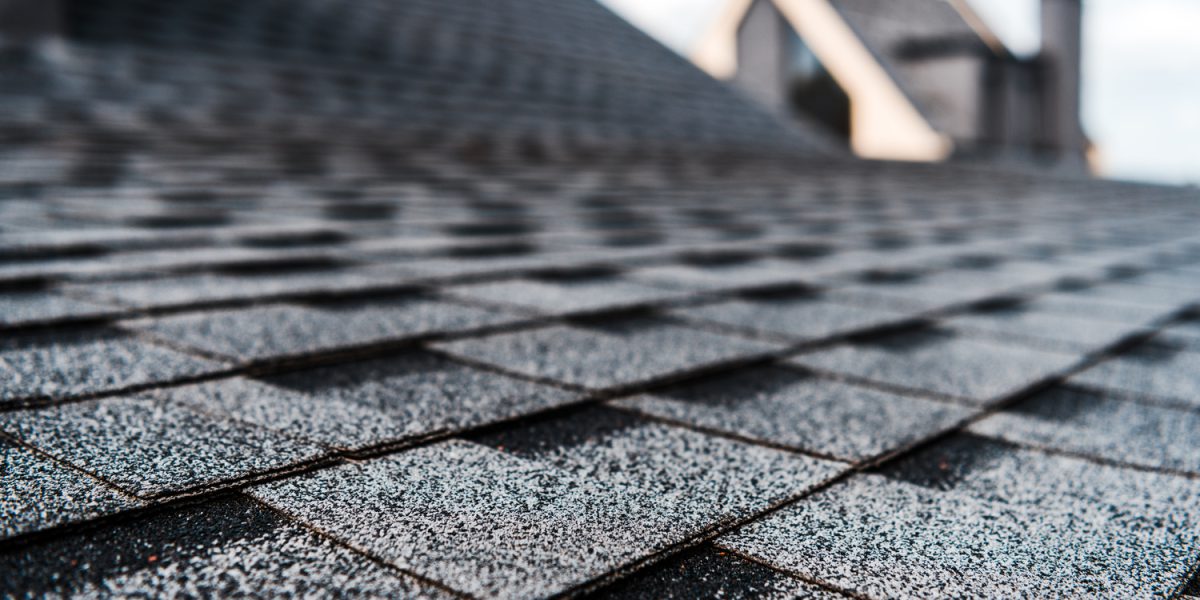
Shingles can crack, curl, or go missing altogether due to age, severe weather, or poor installation. When shingles are compromised, water can seep beneath your underlayment, leading to rot and mold in your roof deck. To prevent this, schedule biannual inspections with a trusted roofing company—ideally in spring and fall—and replace any worn or missing shingles promptly. Keeping an eye on shingles after storms will also help you catch damage before it becomes a bigger issue.
2. Clogged Gutters and Downspouts
Gutters are designed to channel rainwater safely away from your home, but when they’re filled with leaves and debris, water can back up under the eaves. This overflow leads to water stains on fascia boards, soggy landscaping, and even basement flooding. Clean your gutters at least twice a year—or more if you have overhanging trees—and consider installing gutter guards to reduce maintenance. A professional roofing company can also check that your downspouts direct water at least three to four feet away from your foundation.
3. Poor Attic Ventilation
A well-ventilated attic prevents heat and moisture buildup, which can degrade shingles and cause ice dams in colder climates. Improper ventilation traps moist air, leading to wood rot and mold growth on decking and rafters. Ensure your attic has a balanced system of intake vents (soffits) and exhaust vents (ridge or gable vents). Your roofing company can perform a thermal inspection to identify hot spots and recommend installing additional vents or a powered attic fan if needed.
4. Flashing Failures
Flashing—thin metal strips around chimneys, vents, and skylights—seals vulnerable joints in your roofing system. When flashing is improperly installed or corroded, it becomes a prime entry point for water. Have a professional inspect flashing during each roof service; if it’s bent, rusted, or loose, it should be resealed or replaced to maintain a watertight barrier.
Proactive maintenance is the key to extending your roof’s lifespan. By partnering with a skilled roofing company for periodic inspections, timely repairs, and expert guidance on ventilation and drainage, you’ll protect your home from costly water damage and structural issues.
